
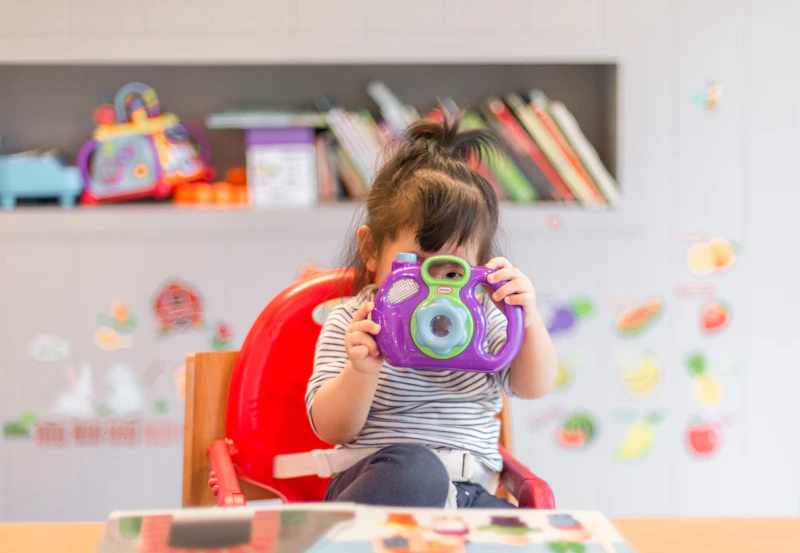


The Unstoppable Power of Play-Based Learning
In modern education, there is a recurring debate between academic rigor and play-based learning in the early years. However, extensive neuroscientific research has unequivocally demonstrated that for a child under the age of six, play is not a break from learning—it is the very mechanism through which learning occurs.
When a child builds a tower of blocks and watches it fall, they are not just making a mess; they are conducting physical experiments with gravity, balance, and structural engineering. When children engage in dramatic play, pretending to be doctors or shopkeepers, they are rapidly expanding their vocabulary, practicing complex social negotiations, and developing deep empathy by stepping into the shoes of another person.
At Little Explorers, we have stripped away the rigid worksheets that stifle creativity. Instead, we provide "invitations to play". We carefully curate our environment with open-ended materials—loose parts, natural elements, and art supplies—that allow children to direct their own learning. This autonomy builds immense self-confidence. A child who learns to trust their own curiosity in preschool becomes a teenager who thinks critically and an adult who innovates.


